
01
New Product Development
Evaluate display technology, dimensions, interface, optical performance, touch requirements and mechanical integration during the early design stage.

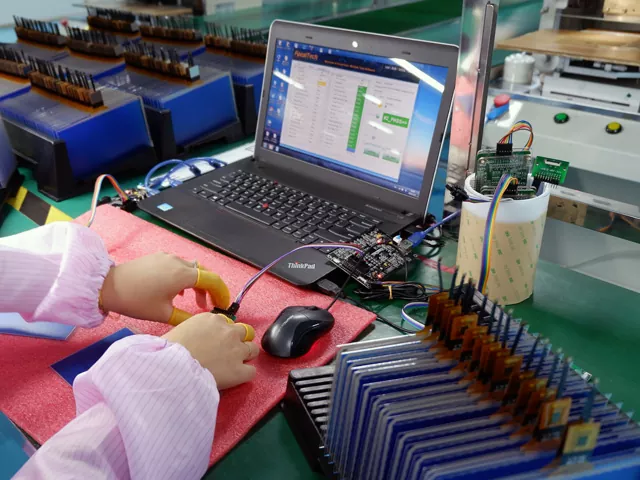
From initial requirements and display selection to samples, production transfer and long-term supply support.
You do not need to begin with a complete specification. Choose the situation closest to your project, and our team will help identify the next step.
Evaluate display technology, dimensions, interface, optical performance, touch requirements and mechanical integration during the early design stage.
Review an existing specification, drawing, part number or sample and recommend a compatible replacement with controlled design changes.
Improve brightness, temperature performance, touch operation, cover-lens durability, viewing experience or power consumption.
During the initial evaluation, our engineers compare user interface, power consumption, operating environment, lifecycle, integration and target cost before recommending a direction.
Each project is reviewed around the product structure, electronics, user interaction and operating environment—not simply matched to a standard display size.
Project note: Final options depend on display technology, size, application conditions and order requirements. Our engineers confirm feasibility before sample development.
The customization scope above shows what can be changed. Here we explain the engineering methods behind our service—and how those methods help OEM teams achieve better display performance in real applications.

Transflective LCD can perform well under direct sunlight, but its reflective structure may affect transmission, contrast and cost. When a transflective panel is not the most practical option, our engineers combine optical, backlight and thermal measures to reach the required outdoor performance.
Typical applications: POS and signage, ticket machines, ATMs, e-mobility, transportation, marine equipment, portable devices, broadcasting, construction and agricultural equipment.
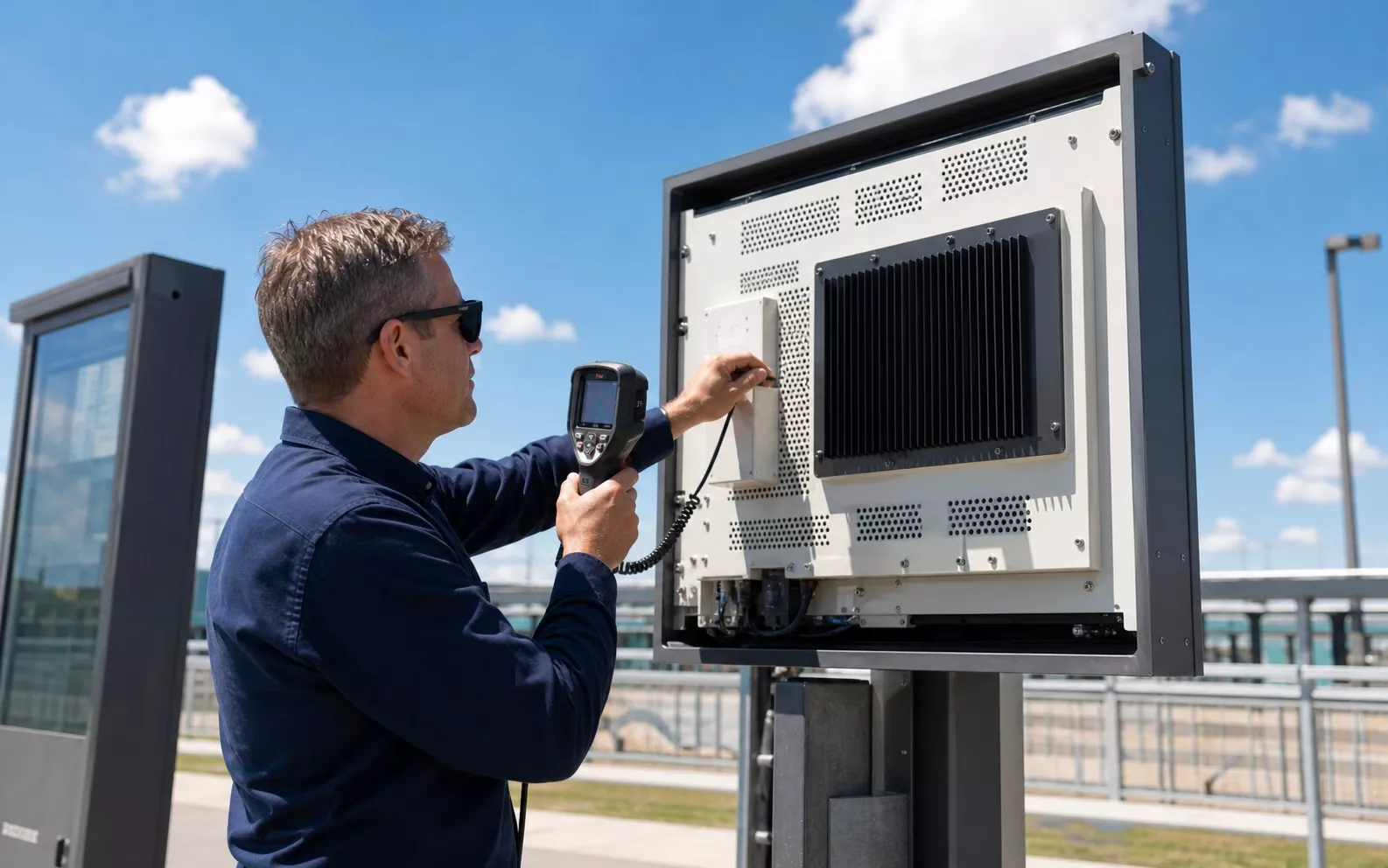
Outdoor performance depends on more than visible brightness. Long-term ultraviolet exposure may affect LCD materials, while infrared and visible light add heat to the display and enclosure. Excessive panel temperature can reduce image quality and may cause temporary darkening.
Select suitable protective materials or films for applications with prolonged sunlight exposure.
Evaluate infrared-control options to reduce the solar heat entering the display structure.
Review heat dissipation, air path and enclosure ventilation according to installation conditions.
Balance brightness targets with LED current, power consumption, internal temperature and backlight lifetime.
Why this matters: A bright panel without appropriate thermal design may still perform poorly or become unreliable in direct sunlight.
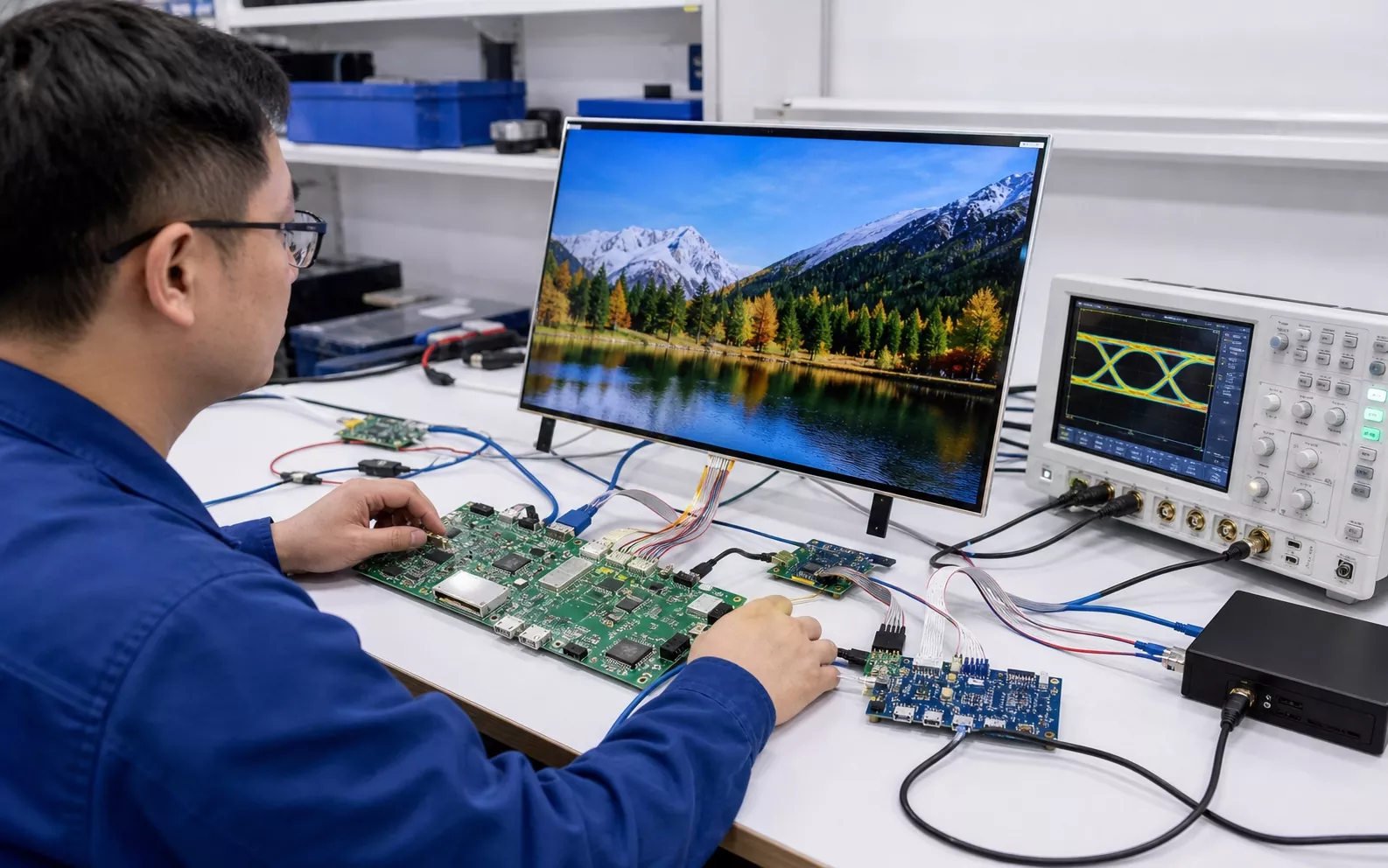
When the selected display cannot connect directly to the customer’s main system, our R&D team can support peripheral circuit and customized PCB design for power, backlight control and interface conversion.
Engineering review: The final circuit architecture depends on the display timing, resolution, voltage, connector, host platform and software requirements.
See how the engineering methods above were combined to solve outdoor readability, polarized-sunglasses visibility and supply-stability requirements for an e-bike dashboard.
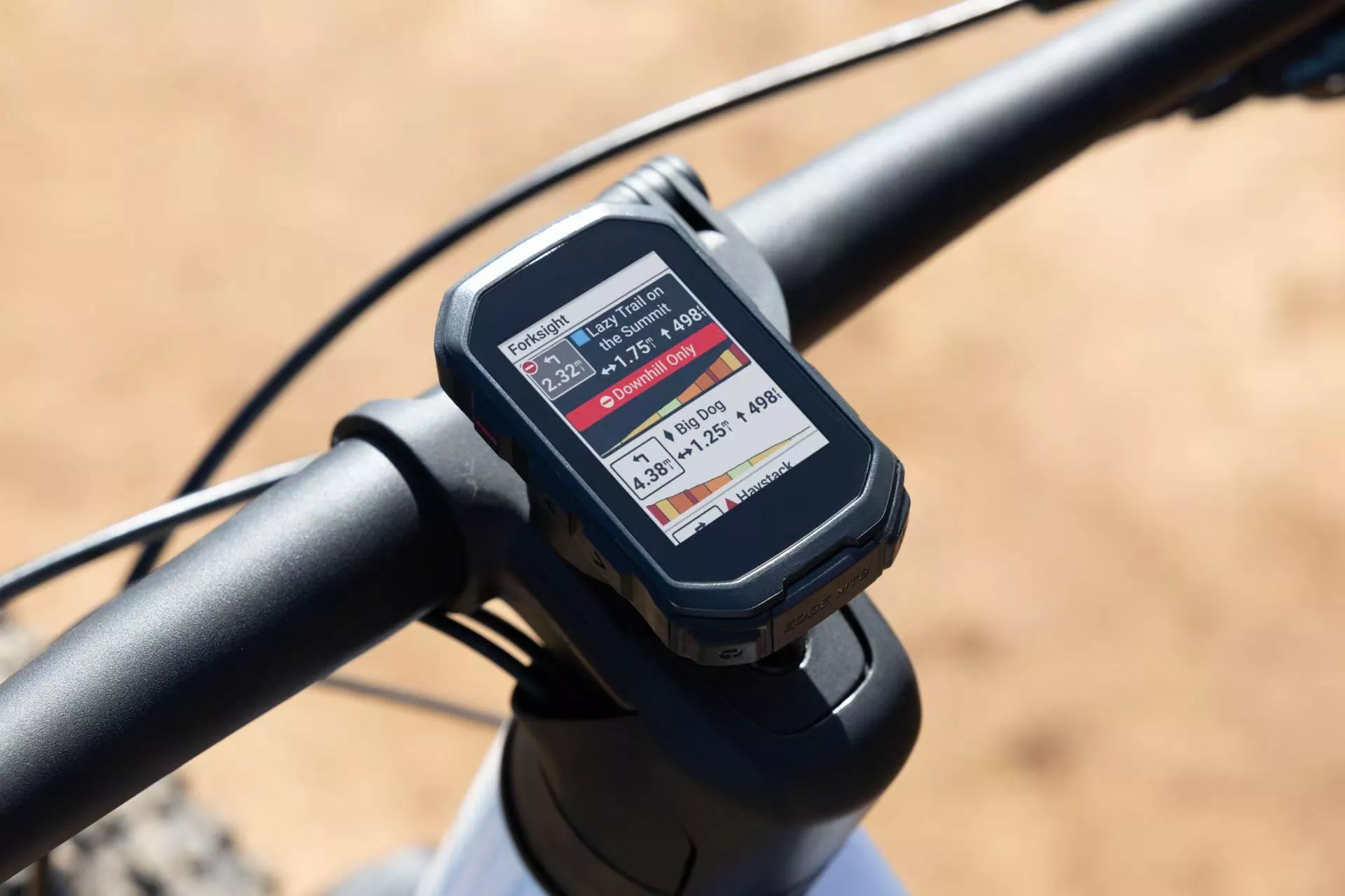 OUTDOOR MOBILITY
A French premium bicycle manufacturer needed more consistent production quality and a dashboard that remained readable in direct sunlight and through polarized sunglasses.
Beyond manufacturing the display, we provide the technical information and project coordination needed to review decisions, confirm integration and prepare for stable production.
A structured summary of the application, target specifications, constraints, quantity and expected lifecycle.
Typical timing: Within 1 working day
Early feedback on technical feasibility, integration concerns and items requiring customer confirmation.
Typical timing: 1–3 working days
A practical proposal explaining the recommended direction, alternatives and key performance or cost considerations.
Typical timing: 2–5 working days
Approved outline drawing, interface definition, pin assignment and relevant module specifications.
Typical timing: 3–7 working days
Sample preparation plus engineering assistance for functional, mechanical and system-level evaluation.
Typical timing: 2–4 weeks
Support for production transfer, controlled revisions, repeat orders and long-term supply planning.
Typical timing: Within 2 working days after approval
Timing is estimated for typical projects and begins after the required technical information is complete. Actual schedules depend on customization scope, tooling and material availability.
Provide whatever is currently available. Our engineering team can help identify the information still required.
Customer drawings, specifications, samples and project information are used only for technical evaluation and project execution.