
Home
>
Products > TFT LCD Module > Transflective TFT LCD Module > 5.0 Inch 800x480 Transflective Sunlight Readable TFT LCD Module - VXT500BWEF-01
Products
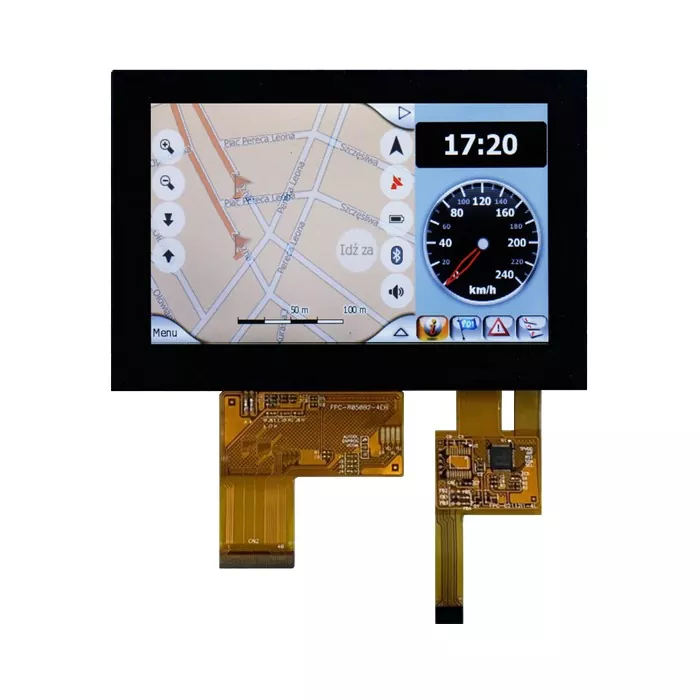
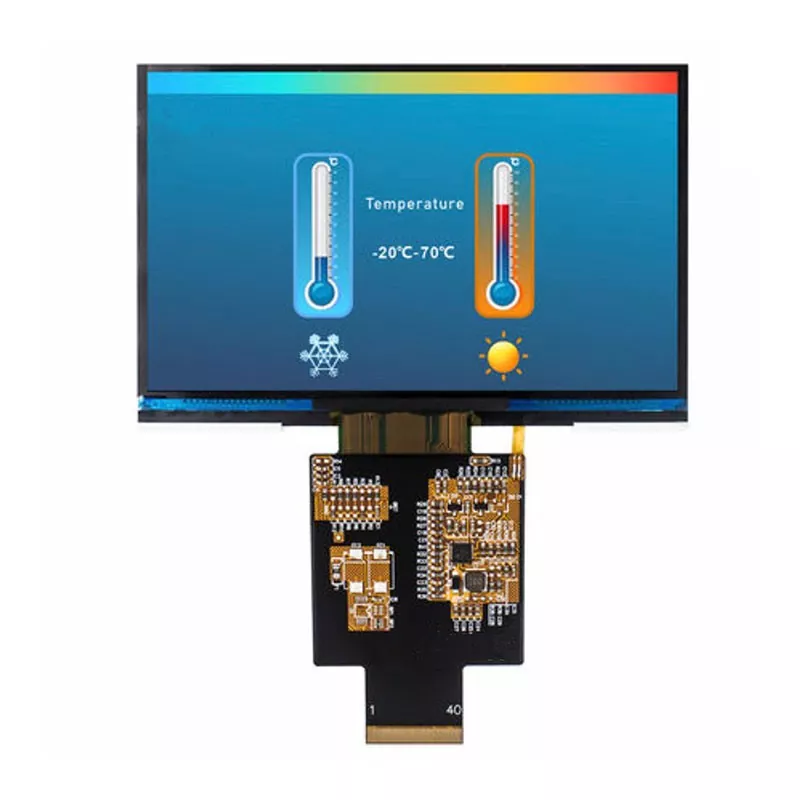
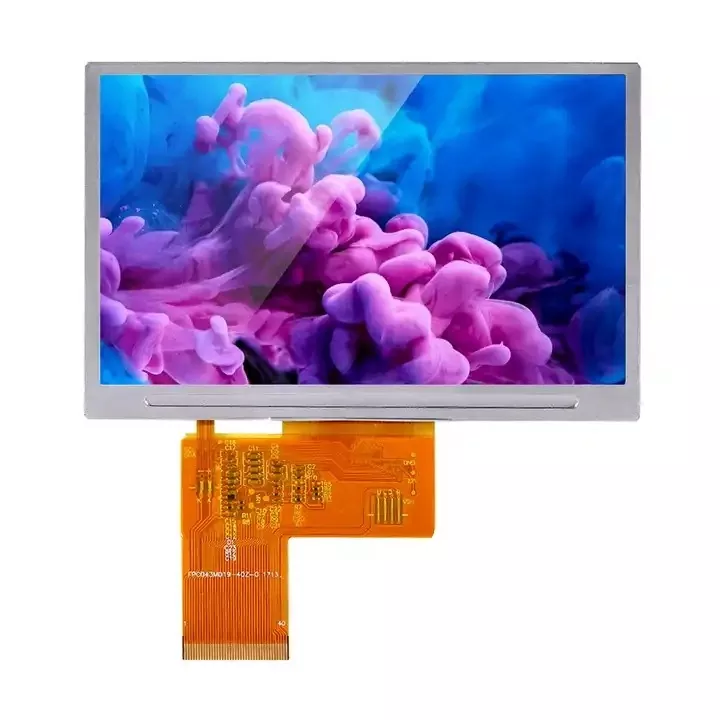
5.0 Inch 800x480 Transflective Sunlight Readable TFT LCD Module - VXT500BWEF-01
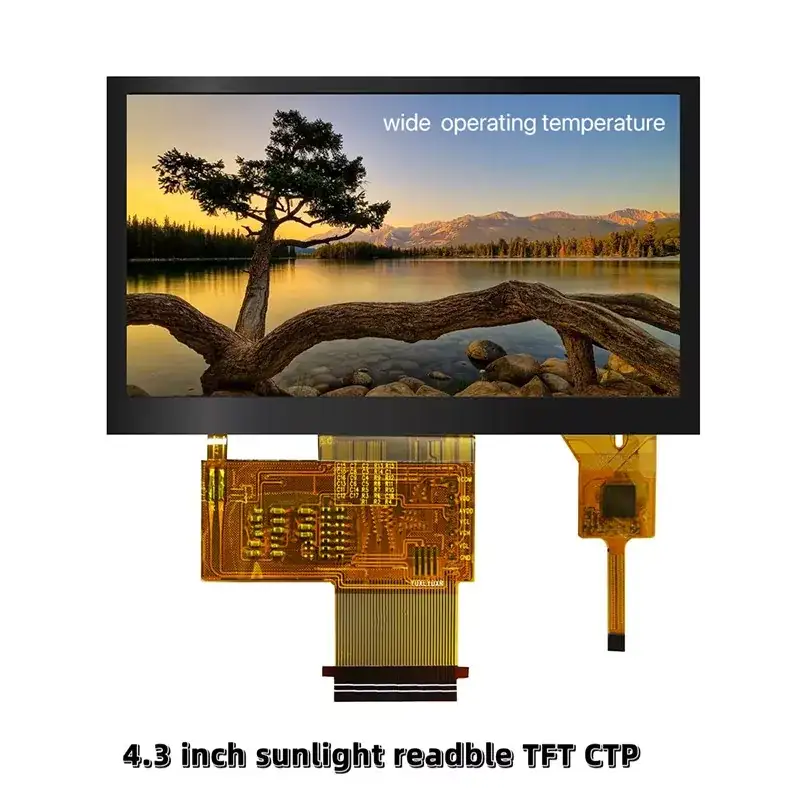
The VXT500BWEF-01 is a 5.0-inch transflective TFT LCD module with 800x480 resolution — the only transflective panel in our range. It reads in sunlight by reflecting ambient light rather than outshining it, and the backlight can be dimmed or switched off outdoors, cutting power sharply. Brightness is 200 cd/m² with 60:1 contrast and a 15 ms response, the fastest we specify. The panel is a 6 o'clock type and the logic rail runs from 2.5 V to 3.3 V. Rated -20 to +70°C.
Model:VXT500BWEF-01
Send Inquiry PDF DownLoad
Product Description
Transflective: It Uses the Sun Instead of Fighting It
Every other display module we make is transmissive — light comes only from the backlight and passes out through the panel. In a bright environment that is a losing strategy, because glare reflected off the front surface is far stronger than anything the backlight can produce. The usual answer is to specify more brightness, which costs power, heat and backlight life, and still loses in direct sun.
A transflective panel has a partially reflective layer inside it. Light from the backlight passes through, and light from outside is reflected back toward the viewer. Both contribute to the image.
|
Type |
Where light comes from |
Indoors |
In sunlight |
Power |
|
Transmissive |
Backlight only |
Good |
Poor — must outshine the sun, and cannot |
High, backlight always on |
|
Transflective (this module) |
Backlight plus reflected ambient light |
Good |
Good — brighter surroundings make it clearer |
Backlight can be dimmed or off outdoors |
|
Reflective |
Ambient light only |
Poor, needs external light |
Good |
Lowest, but unreadable in the dark |
The consequence worth designing around is the power one. Outdoors, a transmissive panel needs its backlight at full output and still struggles. This one can have the backlight dimmed or turned off, because the sun is doing the work — and the brighter the surroundings, the clearer the display gets. For a battery-powered outdoor product, that is the difference between a backlight that runs constantly and one that is only used when it is dark.
Why 200 cd/m² is not a low figure here
Set against the 100 and even 1200 cd/m² panels elsewhere in our range, 200 looks like a step down. It is not, and the reason is worth stating plainly because it is the first thing a buyer notices.
A transmissive panel needs a high brightness number because brightness is its only defence against glare. A transflective panel has a second defence — reflection — so it does not need to buy the same headroom. 200 cd/m² is the backlight requirement for indoor and low-light use, not the limit of what the display can do outdoors. Reading this number as "dim" would be wrong; the correct comparison is not against a transmissive panel's rating but against what each does in the same sunlight.
What you give up is nothing indoors — 200 cd/m² is comfortable for a 5-inch panel at normal viewing distance. What you gain is a display that works outside without a power bill.
General Specifications
| Item | Contents | Unit | Note |
| LCD Type |
Transflective TFT |
- | |
| Display color | 16.7M | ||
| Viewing Direction | 6 | O'Clock | |
| Gray scale inversion direction | 12 | O'Clock | |
| Operating temperature | -20~+70 | ℃ | |
| Storage temperature | -30~+80 | ℃ | |
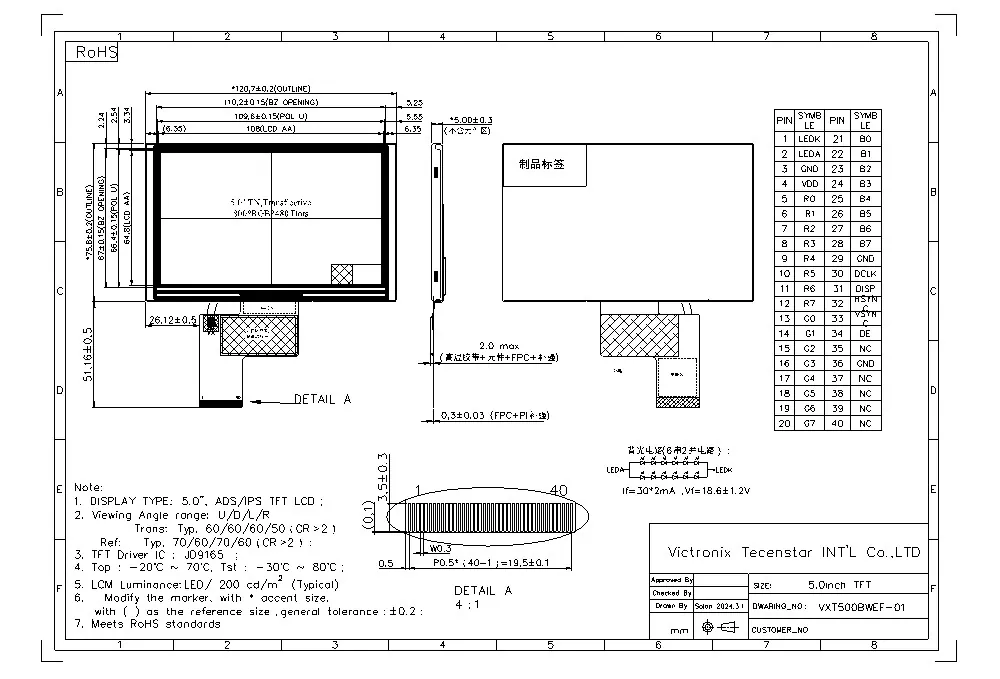
| Module size | Refer to outline drawing | mm | |
| Active Area(W×H) | 108X64.8 | mm | |
| Number of Dots | 800x480 | dots | |
| Driver IC | JD9165 | - | |
| Power Supply Voltage | 3.3 | V | |
| Outline Dimensions |
Refer to outline drawing |
- | |
| Backlight | 6S2P-LEDs(white) | pcS | |
| Interface | RGB | - |
Outline.Drawing
Hot Tags: transflective TFT display, transflective TFT LCD module, sunlight readable TFT LCD, 5 inch transflective display, outdoor readable TFT module, sunlight readable display module, 5 inch TFT LCD module, 800x480 TFT LCD, 800x480 RGB TFT display, Victronix transflective display
Product Tag
Related Category
High Brightness TFT Module
Standard TFT LCD Module
Bar-Type TFT Module
Round TFT LCD Module
Transflective TFT LCD Module
Wide-Temperature TFT Module
Square TFT LCD Modules
Send Inquiry
Please feel free to give your inquiry in the form below. We will reply you in 24 hours.
Related Products